
You ask three factories for a quote on the same silicone product.
One says $2.50. 1.80.
One says $1.20.
Same drawing. Same specs.
Why the big difference?
Is the expensive one cheating you? Is the cheap one a scam?
Neither. Here’s what’s really going on.
A Real Example
Last month, a customer came to us with three quotes for a silicone pet bowl.
Lowest price: $1.00 1.50
He asked us: which one should I pick?
We didn’t answer right away.
We asked him to ask each factory three questions:
-
What grade of silicone do you use?
-
How many cavities in the mold?
-
Do you do full post-curing?
The answers were completely different.
He picked the highest price.
Not because he had money to burn.
Because he finally understood where the price difference comes from.
The 4 Key Factors Behind Price Differences
Here are the four things that cause 30% or even 50% price differences.
Once you understand them, you won’t just look at the final price.
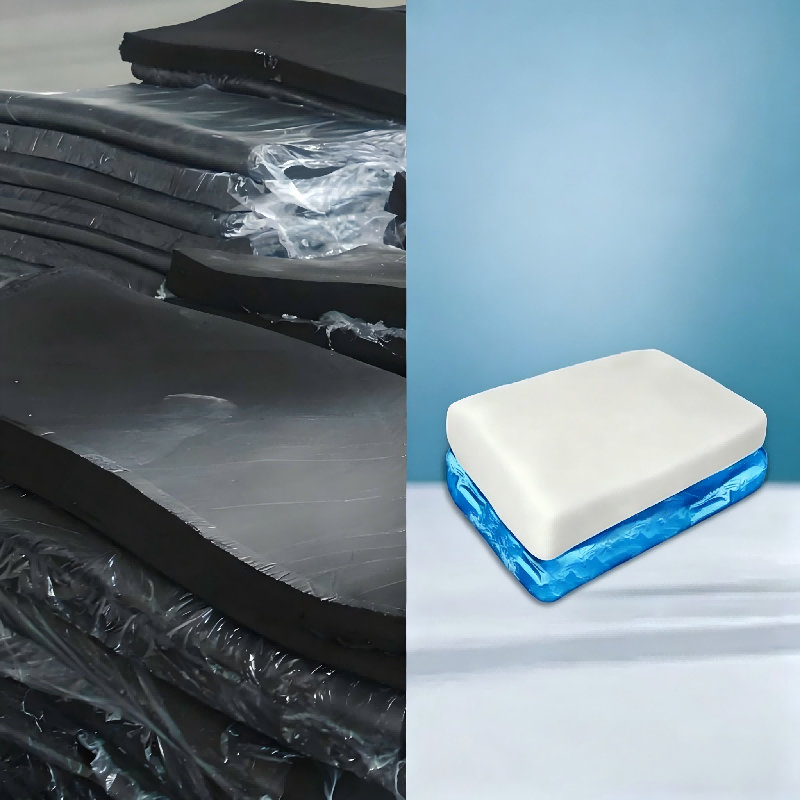
1. Raw Material Grade – The Biggest Factor
Same solid silicone. Different grades. Very different costs.
| Grade | Cost | Best For | Key Point |
|---|---|---|---|
| Standard | Low | Toys, simple items | Basic quality |
| Food Grade (FDA) | Medium | Kitchenware, pet bowls | Safe, no oil bleeding |
| Medical Grade (LFGB) | High | Baby products, medical items | Strictest standards |
What cheap factories do:
They mix in recycled material or too much filler.
The result? The product turns white, tears easily, or gets sticky after a few months.
Ask your supplier: “Virgin or recycled? Food grade or not? Can you send the material certificate?”
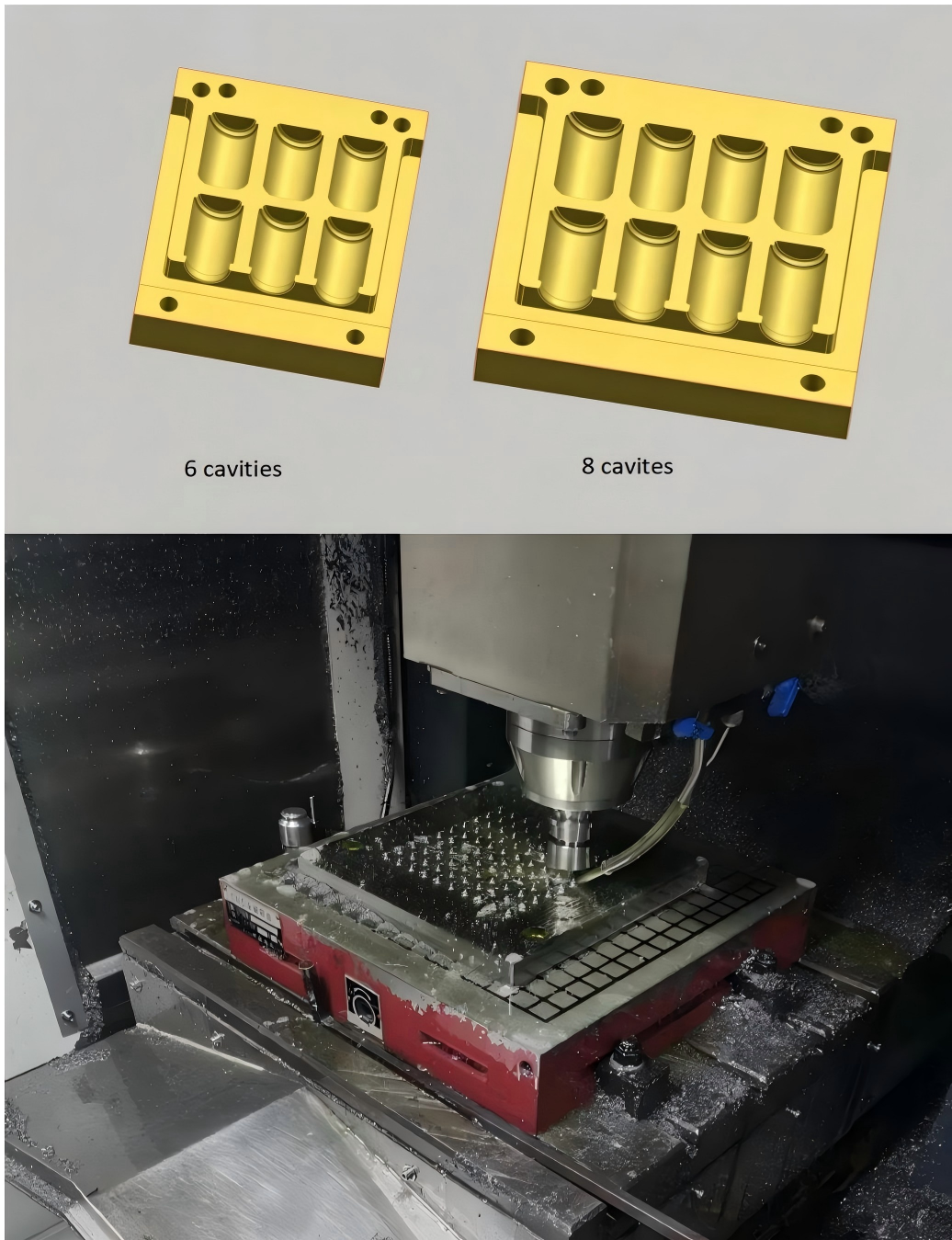
2. Mold Design & Cavity Count – The Efficiency Factor
Most buyers forget about this.
| Mold Type | Cavities | Output Per Cycle | Cost Per Piece |
|---|---|---|---|
| Simple mold | 1 cavity | 1 piece | High |
| Production mold | 4 cavities | 4 pieces | Medium |
| High-efficiency mold | 20 cavities | 20 pieces | Low |
What cheap factories don’t tell you:
A cheap mold has a short life and thick mold lines.
You don’t see the problem at first. Then you pay a lot for hand trimming. Sometimes trimming costs more than the product itself.
Ask your supplier: “How many cavities? What is the mold life?”
3. Curing Process & Time – The Quality Factor
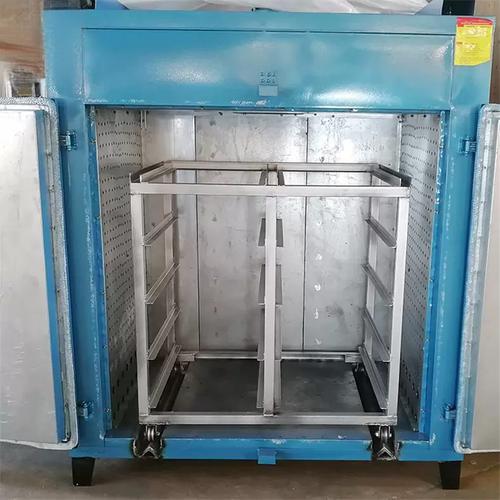
Curing is a critical step in silicone molding. Shorten the time, ruin the product.
What cheap factories do to save time:
They reduce curing time.
The result:
Poor rebound (press it and it stays down)
-
Bad smell (too many volatile compounds)
-
Quick aging
Good curing takes enough time and heat. Saving 10 seconds can cut product life in half.
Ask your supplier: “What is your curing time and temperature? Do you fully cure or take shortcuts?”
4. Quality Inspection & Post-Curing – The Detail Factor
| Item | Good Factory | Bad Factory |
|---|---|---|
| Inspection | 100% (check every piece) | Sampling (check a few) |
| Post-curing | Full time | None or rushed |
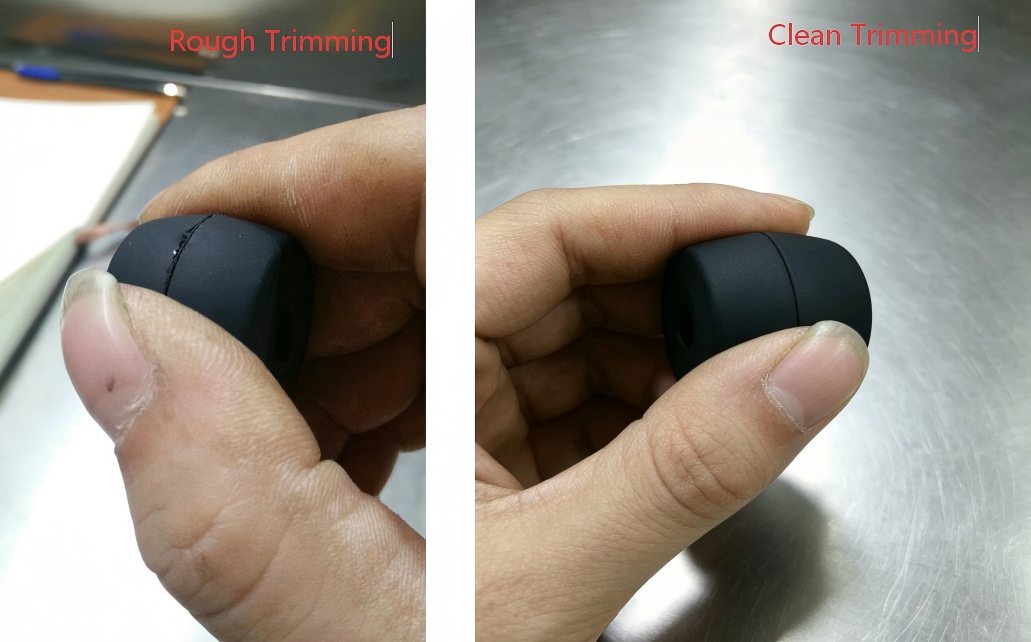
| Trimming | Clean, precise | Rough, leftover flash |
What many people don’t know about post-curing:
It means putting the product back in the oven for a few hours to remove leftover volatile compounds.
Without it? The product smells like plastic or burnt rubber.
With it? Almost no smell at all.
Ask your supplier: “100% inspection or sampling? Do you do post-curing?”
Expert Tips: How to Get a Fair Quote
Don’t just look at the unit price. Follow these 4 steps.
Step 1: Tell the Factory Your Application
-
Gift or kitchenware?
-
For pets or babies?
-
Indoor or outdoor use?
The more the factory knows about who will use it and where, the better the quote.
Be clear. You’ll get a more honest price.
Step 2: Ask for Material Brand or Certificate
Don’t just accept “food grade.”
Ask them to write down:
-
Brand name (ShinEtsu, Dow, or which local brand?)
-
Virgin or recycled?
-
FDA or LFGB certified?
Factories that can provide a certificate usually don’t cheat on materials.
Step 3: Ask About Cavities and Mold Life
-
How many cavities?
-
How many shots before the mold wears out?
-
Does the mold price include future repairs?
These affect your per-piece cost and long-term investment.
Step 4: Look at Total Cost, Not Just Unit Price
Total cost = Unit price × Quantity + Mold cost ÷ Quantity + Defect loss + Communication cost
| Comparison | Cheap Factory | More Expensive Factory |
|---|---|---|
| Unit price | $1.00 | $1.50 |
| Defect rate | 5-10% | Under 1% |
| Communication | Hard to get clear answers | Clear from the start |
| Long-term cost | Returns, complaints | Stable, reliable |
Do the math. The expensive one might be cheaper in the end.
How We Quote
We’ve been making silicone products for over 10 years.
On every quote we send, we clearly state:
-
What grade of silicone (brand, certification)
-
How many cavities and mold life
-
If curing is full and complete
-
If we do 100% inspection and post-curing
We believe transparency is the best way to build trust.
📩 Send us your drawing or sample.
We’ll tell you why the price is what it is — and where you can save.


