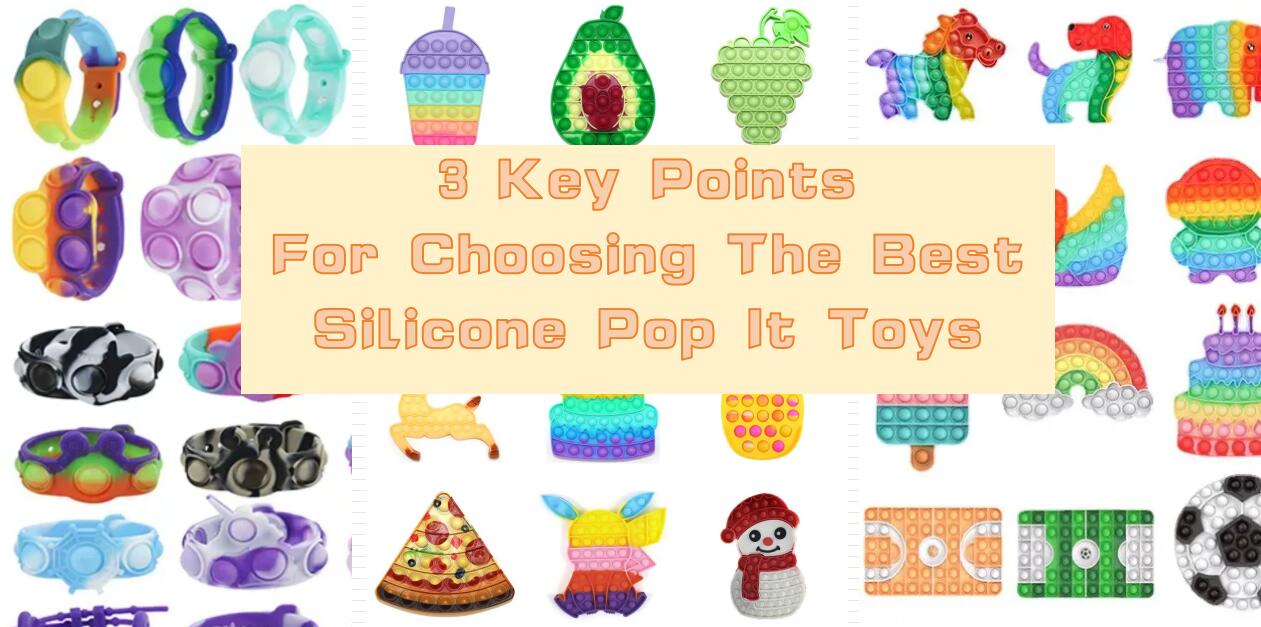
3 Key Points for Choosing the Best Silicone Pop It Toys: A Complete Guide
Introduction
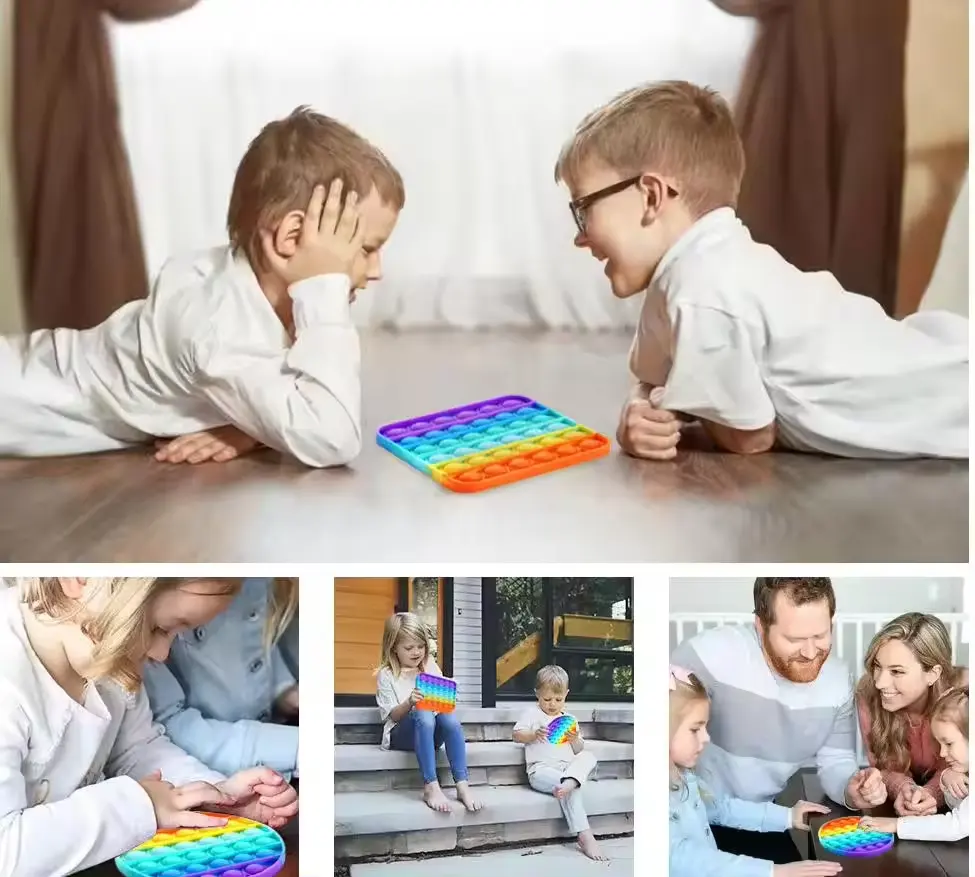
In recent years, silicone Pop It toys have taken the world by storm, becoming a global sensation among children and adults alike. These satisfying fidget toys offer not just entertainment but also stress relief, sensory stimulation, and even developmental benefits. However, with countless options flooding the market, how do you ensure you’re choosing a high-quality, safe, and durable product? Whether you’re a parent looking for a toy for your child, an educator seeking classroom tools, or simply someone who enjoys the satisfying pop sensation, this comprehensive guide will walk you through the three essential criteria for selecting the best silicone Pop It toys.
Key Point 1: Material Safety and Quality Certification
Why Material Safety Matters
When it comes to toys—especially those that children might put in their mouths or handle frequently—material safety is non-negotiable. Silicone Pop It toys come in direct contact with skin, and low-quality materials can contain harmful chemicals like phthalates, BPA, or heavy metals. These substances can leach out over time, posing health risks, particularly for young children.
What to Look For: Certifications and Standards
Food-Grade Silicone vs. Regular Silicone
The gold standard for Pop It toys is food-grade silicone. This material is specifically manufactured to meet strict safety standards for contact with food and human skin. Unlike industrial-grade silicone, food-grade silicone is:
- Non-toxic and hypoallergenic
- Free from BPA, phthalates, and lead
- Odorless or with minimal natural odor
- Heat-resistant (typically up to 220°C/428°F)
- Key Certifications to Verify:
- FDA (Food and Drug Administration) Compliance: Indicates the material is safe for food contact
- CE Marking: European safety standard for toys
- ASTM F963: US standard for toy safety
- EN71: European toy safety standard
- LFGB (German Food and Commodities Act): Stringent European food safety standard
Practical Tip: Look for these certifications on product packaging or the manufacturer’s website. Reputable brands will proudly display their compliance. If this information isn’t readily available, consider it a red flag.
How to Test Material Quality at Home
Even with certifications, you can perform simple tests:
Odor Test: High-quality silicone should have little to no chemical smell. If it smells strongly of plastic or rubber, it’s likely low-grade material.
Twist Test: Gently twist the toy. Food-grade silicone should show white streaks (a sign of pure silicone) but return to its original color without permanent deformation.
Heat Resistance: While not recommended for all toys, food-grade silicone can typically withstand boiling water for sterilization.
Product Examples: Safe Material Choices
Original Pop It Brand: Known for using certified food-grade silicone
SensoryPop: Offers educational Pop Its with clear safety documentation
Fidget Land: Premium brand with FDA-compliant materials
Key Point 2: Design, Functionality, and Age Appropriateness
Understanding Design Elements
Not all Pop It toys are created equal. The design impacts not just the play experience but also safety and durability.
Key Design Features to Consider:
Bubble Size and Spacing
- Small bubbles (under 1cm): Better for fine motor skills but may pose choking hazards for young children
- Large bubbles (over 2cm): Safer for toddlers, easier to pop
- Spacing: Bubbles should be evenly spaced and not too close together to prevent tearing
Edge and Surface Quality
Edges should be smooth and rounded, not sharp
Surface should be free of mold lines or rough spots
No loose parts or detachable components
Color and Visual Appeal
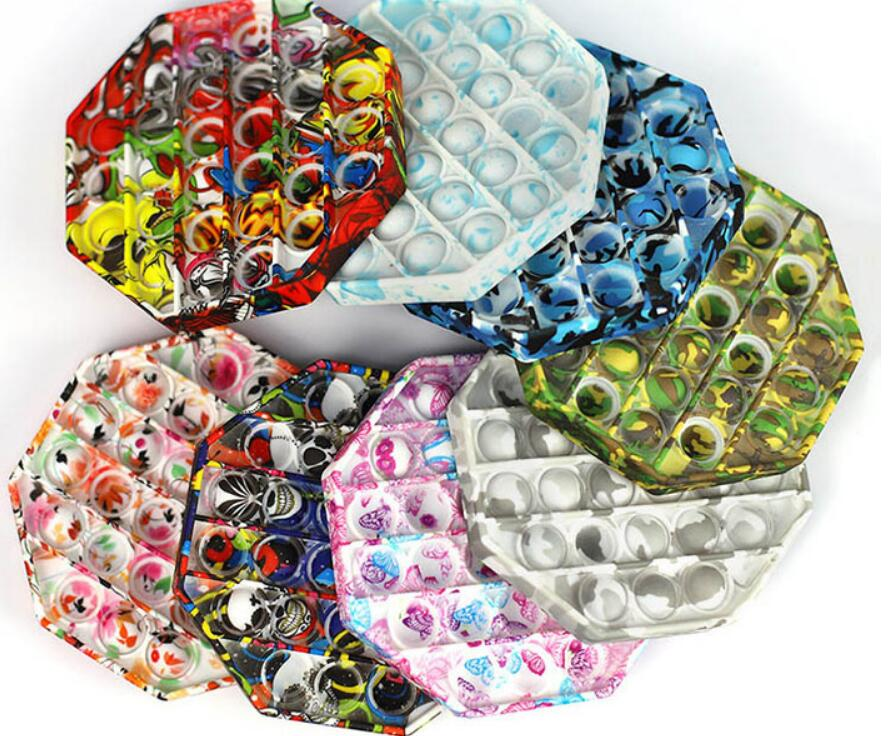
Colors should be vibrant but not overly bright (indicative of excessive dyes)
Patterns should be clear and well-defined
Avoid toys with peeling or fading colors
Functionality and Sensory Benefits
Different Pop It designs serve different purposes:
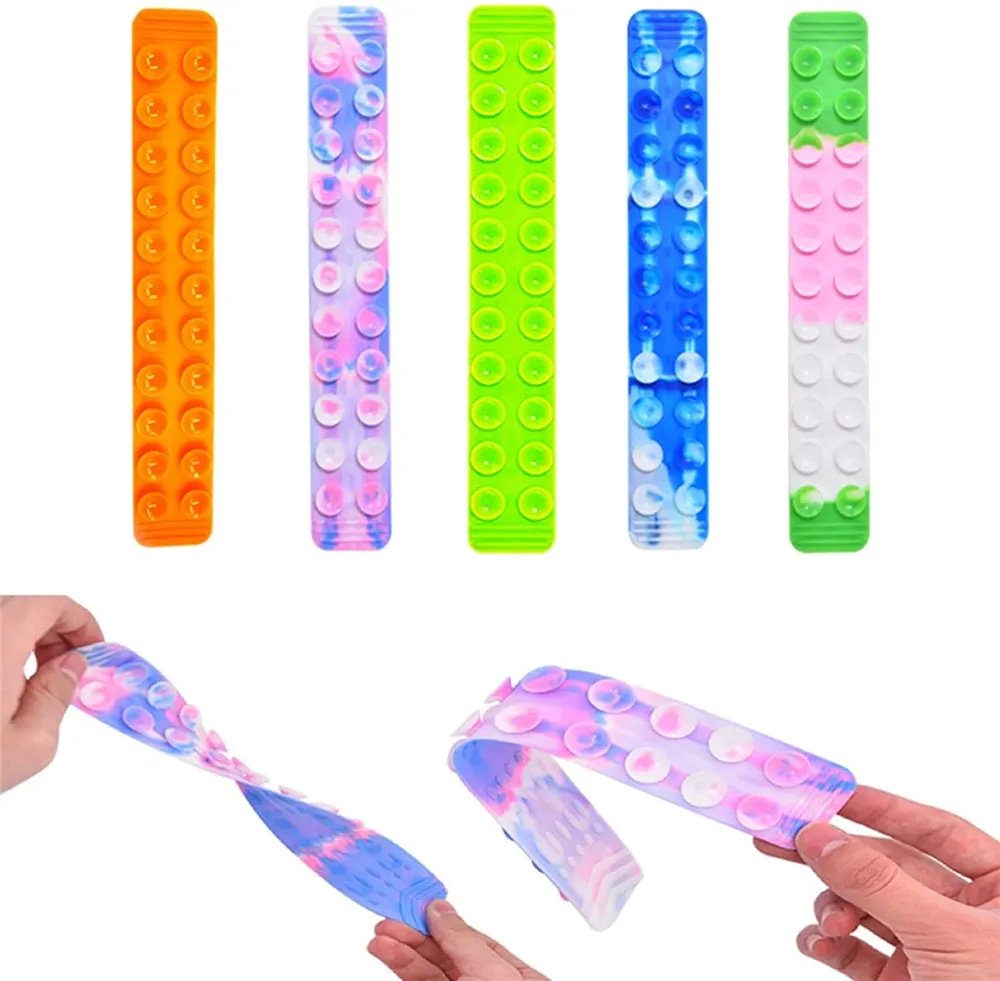
- Single-sided vs. Double-sided: Double-sided offers more popping options
- Texture variations: Some have smooth surfaces, others have textured bubbles for added sensory input
- Sound: Some produce a satisfying “pop” sound, while others are quieter
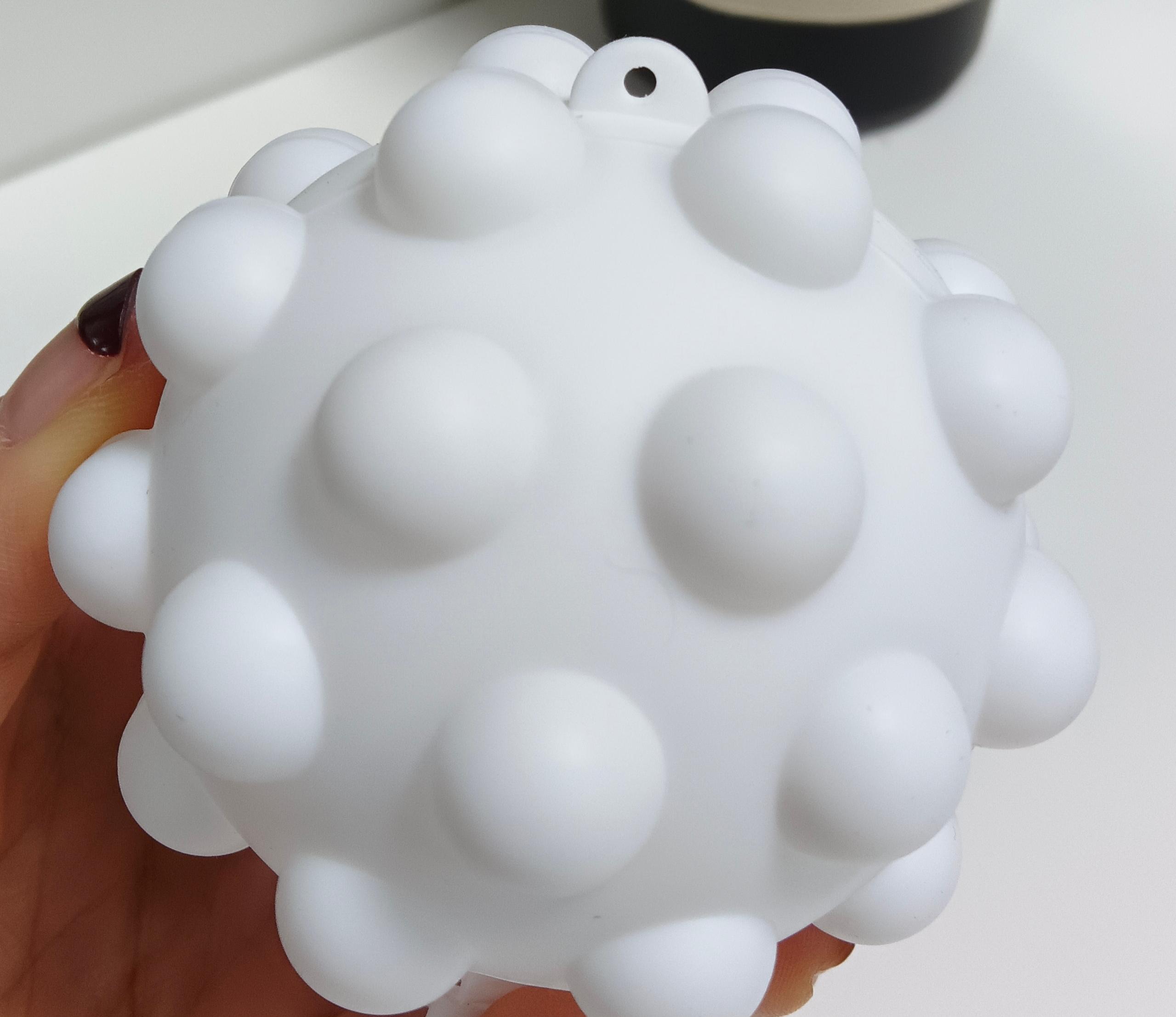
Sensory Benefits by Age Group:
| Age Group | Recommended Features | Benefits |
| Toddlers (1-3)
|
Large bubbles, simple shapes, bright colors | Fine motor development, color recognition |
| Preschool (3-5)
|
Medium bubbles, numbers/letters, basic patterns | Cognitive skills, hand-eye coordination |
| School Age (6+)
|
Complex patterns, smaller bubbles, themed designs | Focus, stress relief, creativity |
| Adults/Teens
|
Intricate designs, portable size, silent options | Anxiety relief, fidgeting alternative |
Age Appropriateness and Safety Warnings
Always check the manufacturer’s recommended age range. For children under 3, ensure the toy has no small parts that could become choking hazards. Even if a toy is labeled “3+,” supervise younger children during play.
Warning Signs in Design:
Small detachable parts
Sharp edges or points
Thin material that could tear easily
Poorly attached handles or loops
Product Examples: Well-Designed Options
- Pop It Fidget Cube: Multi-sided design with different bubble sizes
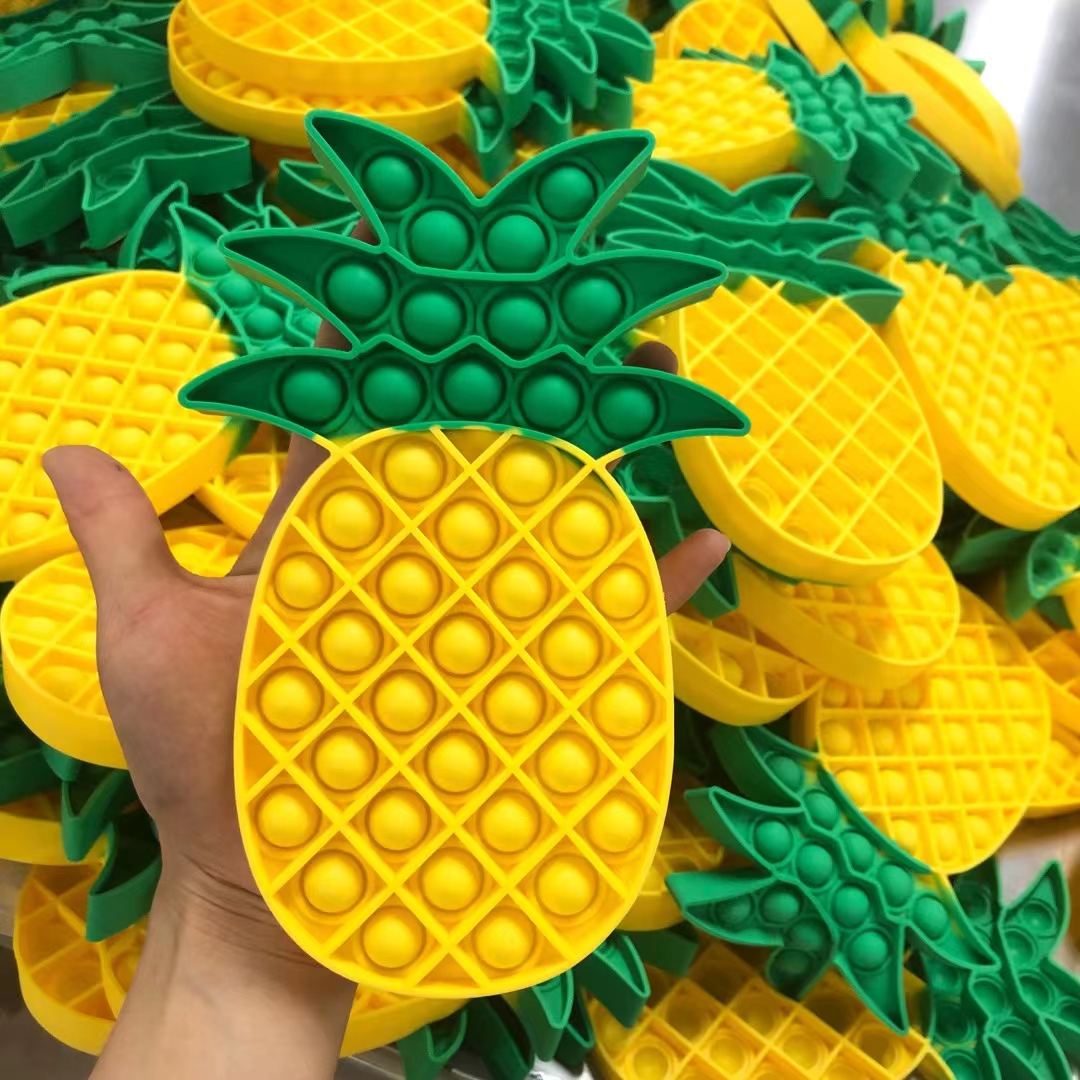
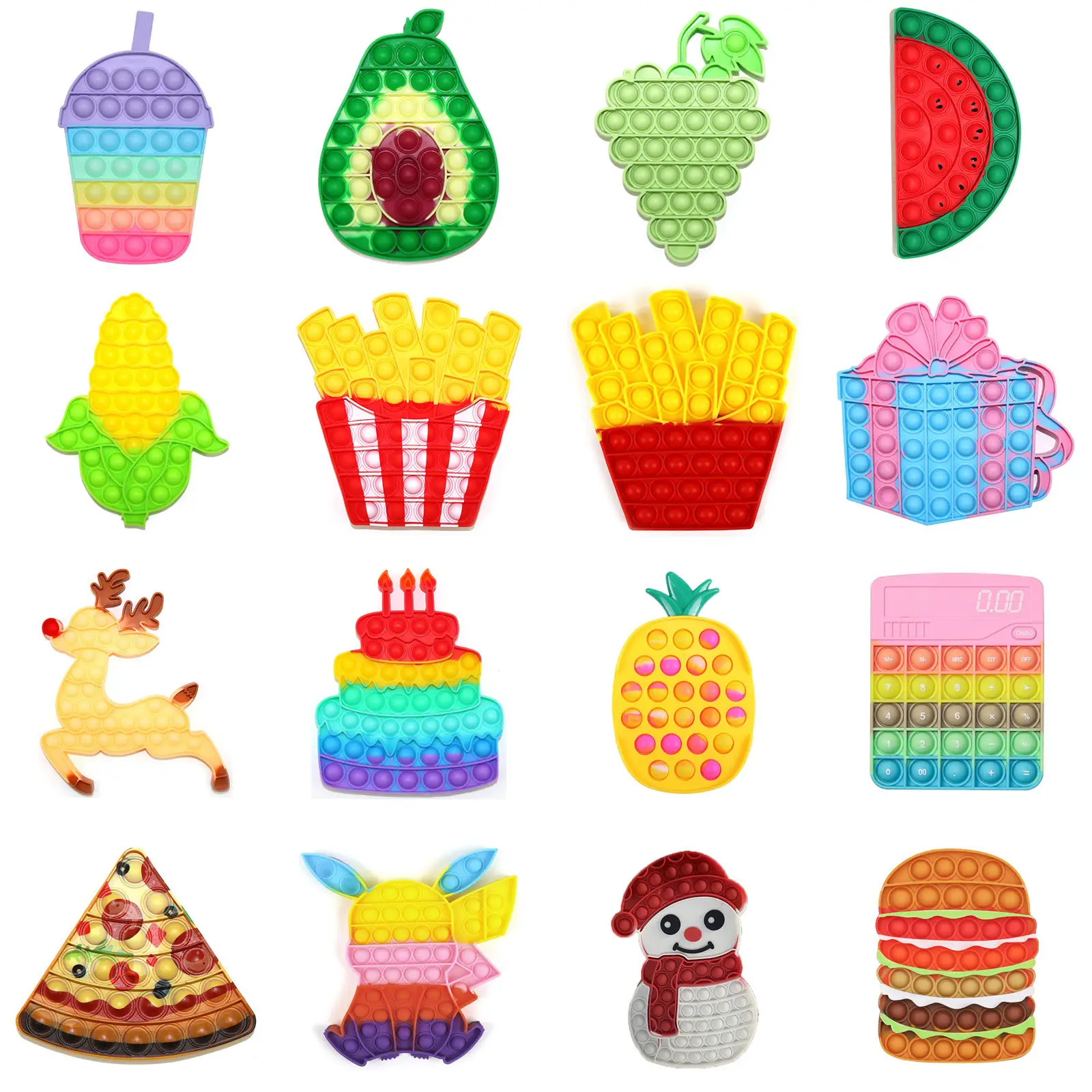
Animal-Shaped Pop Its: Fun shapes that appeal to children
Giant Pop It Mat: Large format for group play or floor activities
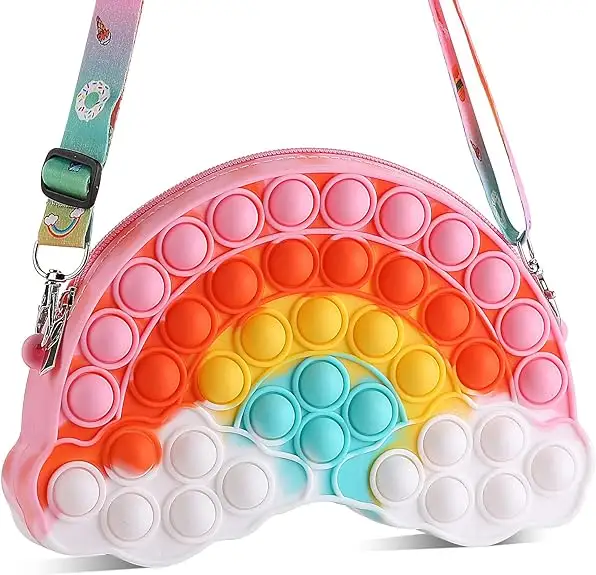
Pop It Keychain: Portable option for on-the-go fidgeting
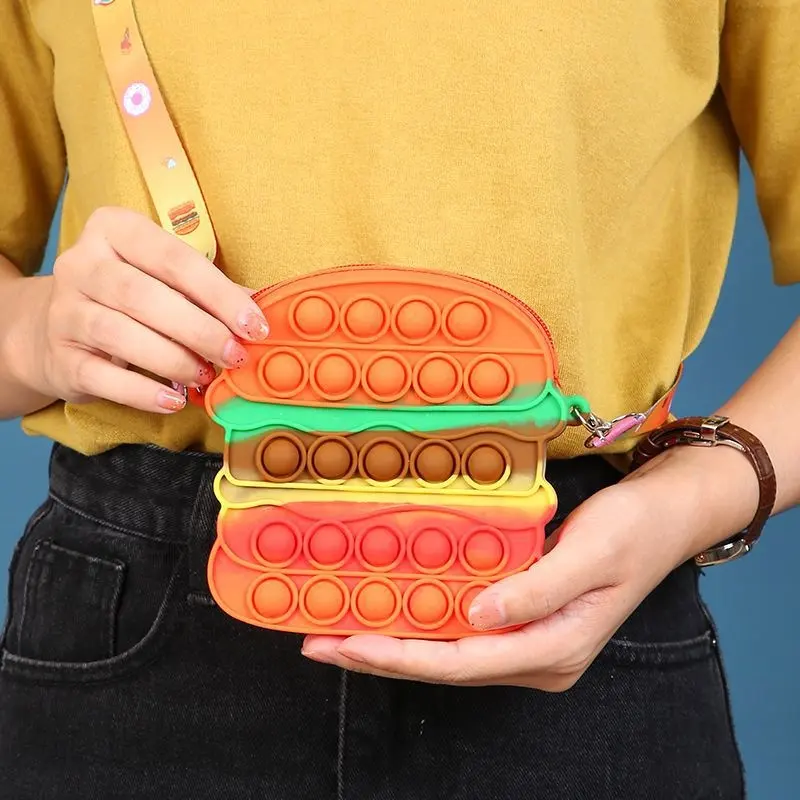
Key Point 3: Durability, Cleaning, and Maintenance
Why Durability Matters
A quality Pop It toy should withstand repeated popping, bending, and occasional drops without tearing, losing its shape, or developing permanent creases. Durability isn’t just about longevity—it’s also about safety, as torn toys can create sharp edges or small parts.
Signs of Poor Durability:
Bubbles not popping back properly after use
Material stretching and not returning to shape
Tears or cracks developing at stress points
Colors fading quickly
Cleaning and Hygiene
Silicone is naturally non-porous and resistant to bacteria, but proper cleaning is essential, especially for toys used by children or in shared environments.
Cleaning Methods:
| Method | When to Use | Instructions |
| Hand Wash
|
Daily cleaning | Use warm soapy water, rinse thoroughly, air dry |
| Dishwasher
|
Deep cleaning
(if labeled safe) |
Top rack, gentle cycle |
| Boiling
|
Sterilization | Submerge in boiling water for 2-3 minutes (check manufacturer guidelines) |
| Disinfectant Wipes
|
Quick clean | Use baby-safe wipes or alcohol-free options |
Important: Avoid harsh chemicals, abrasive cleaners, or bleach, as these can degrade the silicone over time.
Maintenance Tips for Longevity
Store properly: Keep in a cool, dry place away from direct sunlight (UV can degrade silicone)
Avoid extreme temperatures: Don’t leave in hot cars or near heat sources
Inspect regularly: Check for signs of wear, especially if used by young children
Rotate toys: If you have multiple, rotate use to extend lifespan
Product Examples: Durable and Easy-to-Clean Options
Pop It Pro Series: Marketed as extra durable with reinforced edges
Silicone Sensory Mats: Thicker material, suitable for heavy use
Pop It with Handles: Reduced stress on the main popping surface
Putting It All Together: A Quick Checklist
Before making a purchase, ask these questions:
Material Safety:
Is it made from food-grade silicone?
[ ] Are safety certifications listed (FDA, CE, etc.)?
[ ] Does it pass the odor and twist tests?
Design and Function:
[ ] Is the bubble size appropriate for the user’s age?
[ ] Are edges smooth and free of sharp points?
[ ] Does the design match the intended use (sensory, fidgeting, etc.)?
Durability and Maintenance:
[ ] Does it feel sturdy when popped and bent?
[ ] Is it easy to clean (dishwasher safe or boilable)?
[ ] Does the manufacturer provide care instructions?
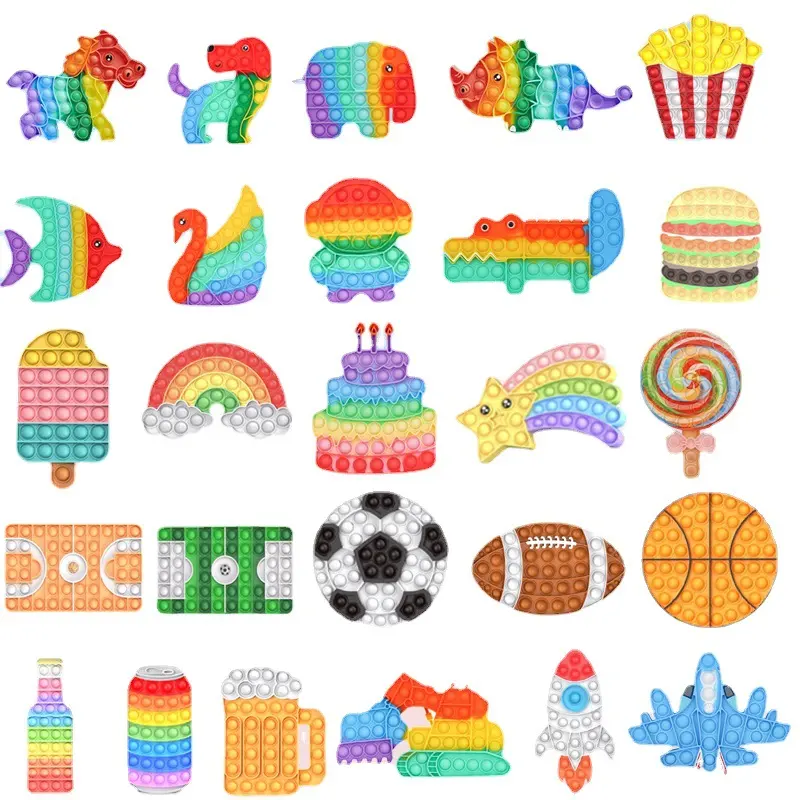
Popular Product Categories and Recommendations
To help you navigate the market, here are some popular types of silicone Pop It toys that meet the above criteria:
1. Classic Pop It Boards
Description: Standard rectangular or circular boards with uniform bubbles
Best for: All ages, basic fidgeting
Example Brands: Original Pop It, Fidget Cube
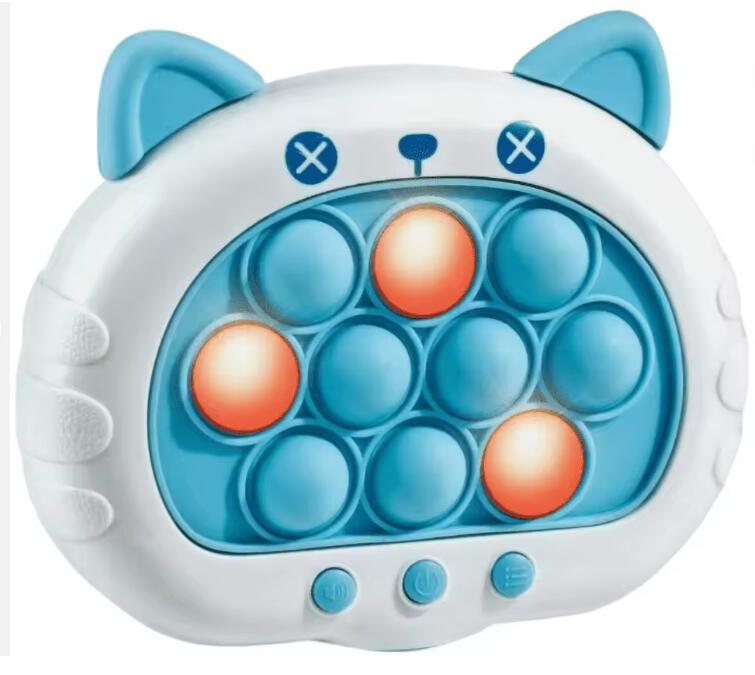
2. Themed and Character Pop Its
Description: Animal shapes, cartoon characters, or themed designs
Best for: Children who enjoy specific themes
Example: 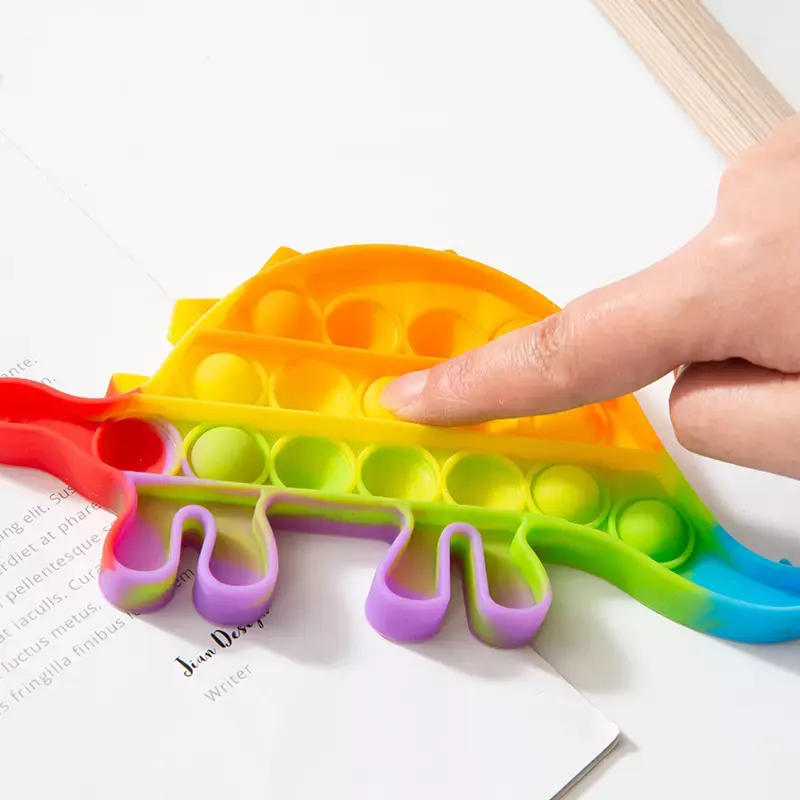
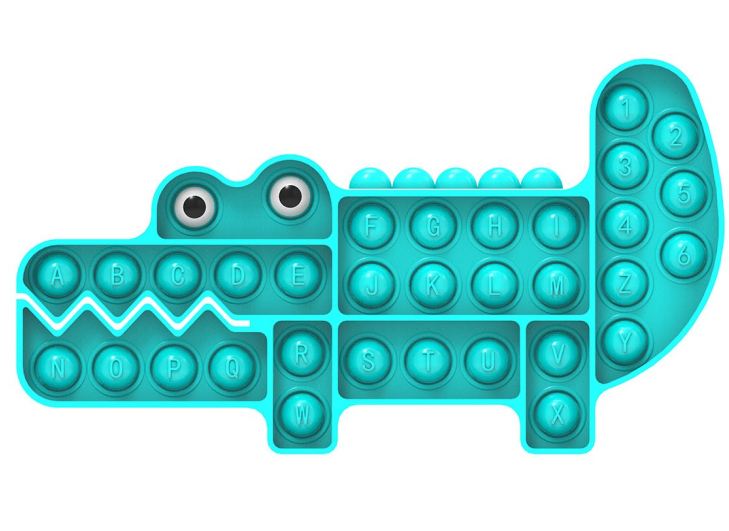
3. Educational Pop Its
Description: Incorporate numbers, letters, or patterns for learning
Best for: Preschool and early elementary children
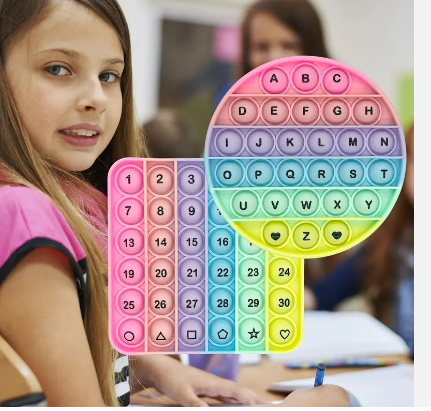
Example: Ahabet Pop It, Math Pop It
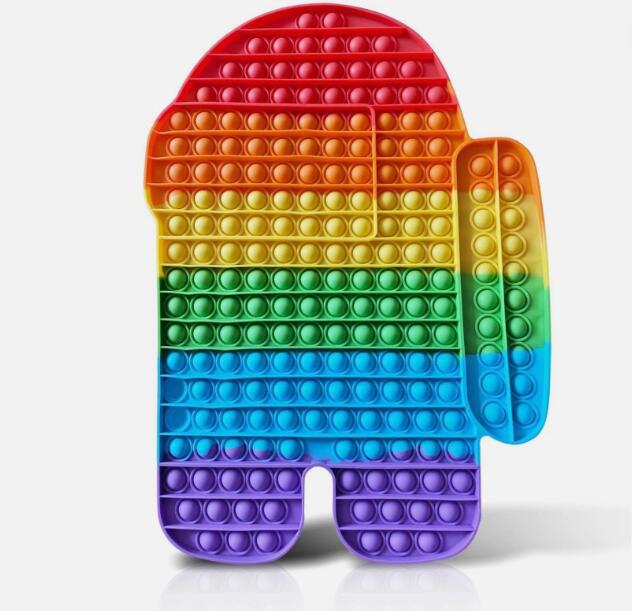
4. Giant and Floor Mats
Description: Large format for group play or sensory activities
Best for: Classrooms, therapy sessions, family play
Example: Giant Pop It Mat (16inH)
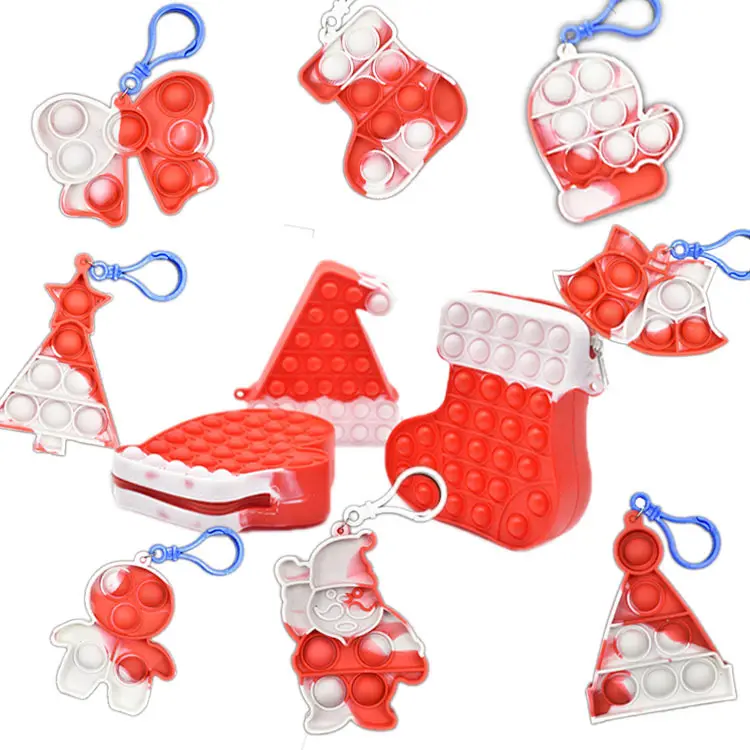
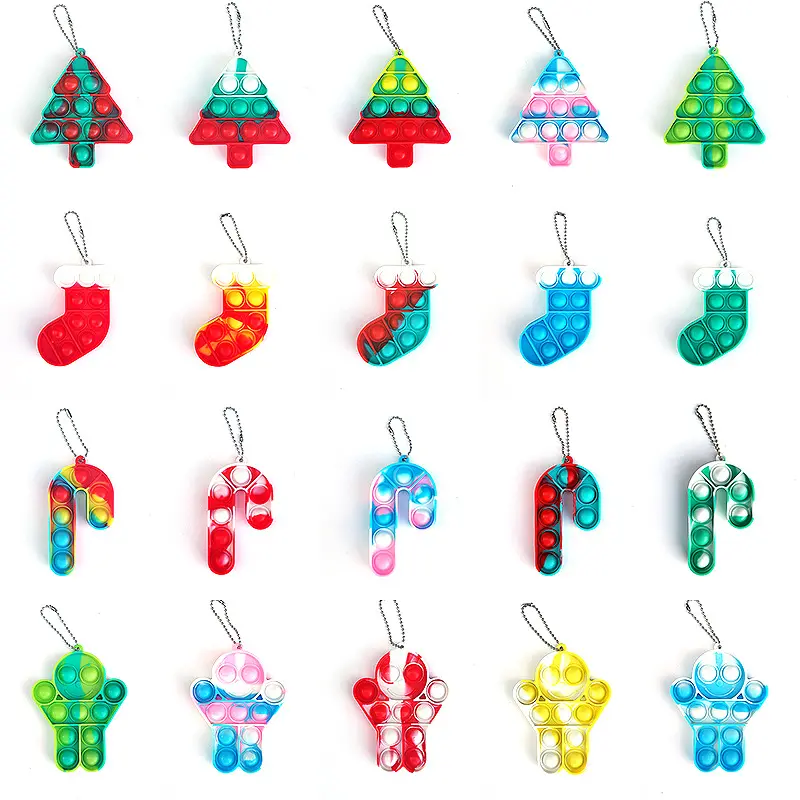
5. Portable and Keychain Options
Description: Small, attachable versions for on-the-go use
Best for: Teens and adults, travel, discreet fidgeting
Example: Pop It Keychain, Mini Pop It
6. Multi-Sensory Variants
Description: Combine popping with other textures, sounds, or lights
Best for: Sensory seekers, special needs
Example: Pop It with Textured Bubbles, Light-Up Pop It
Conclusion
Choosing the right silicone Pop It toy doesn’t have to be overwhelming. By focusing on these three key pillars—material safety, thoughtful design, and durability—you can confidently select products that are not only fun and satisfying but also safe and long-lasting. Whether you’re purchasing for personal use, for your children, or for resale in your business, these criteria will help you navigate the crowded market and make informed decisions.
Remember: a quality Pop It toy should bring joy without compromise. Don’t settle for anything less than safe, well-designed, and durable products that will provide hours of satisfying play.